Eco-Friendly Design Ideas for Luxury Homes

As the global focus on sustainability grows, eco-friendly design is becoming a cornerstone of modern luxury homes. The blend of environmental responsibility with high-end aesthetics offers homeowners an unparalleled opportunity to create abundant and sustainable spaces. With Australia’s unique climate and increasing government incentives, the demand for green home design is rising.

Why Sustainability Matters in High-End Homes

Traditional home construction contributes significantly to resource depletion, energy consumption, and environmental degradation. Luxury homes, with their expansive footprints and premium features, have the potential to either exacerbate or mitigate this impact.

By adopting eco-friendly house design principles, high-end homeowners can reduce their carbon footprints. Sustainability in luxury homes doesn’t just make an environmental statement—it also yields financial benefits. Features like solar panels, advanced insulation, and energy-efficient systems lower utility costs over time. Learn more about designing for sustainability with ES Design.

Moreover, creating a sustainable home design enhances emotional well-being, as one knows that one’s living space contributes positively to the environment. For inspiration, check out 5 trends to incorporate into luxury home design.

Key Elements of Sustainable Home Design

The backbone of a sustainable luxury home design lies in its core architectural elements. Thoughtful planning can dramatically reduce a home’s energy requirements while enhancing comfort and style.

1. Passive Solar Design

Strategically positioning the home to maximise natural light and heat reduces dependence on artificial heating and lighting. Windows, shades, and thermal mass elements can be incorporated to harness the sun’s energy efficiently.

2. Natural Ventilation

Integrating cross-ventilation strategies allows for consistent airflow, reducing the need for air conditioning. This simple yet effective design principle aligns perfectly with sustainable luxury home design trends.

3. Insulation and Thermal Mass

High-performance insulation paired with materials that store and slowly release heat ensures year-round comfort with minimal energy expenditure. Our blog post explains what designers consider when planning a luxury home

4. Greywater Recycling Systems

These systems capture and reuse water from sinks, showers, and washing machines for irrigation or toilet flushing. Greywater systems are a sustainable way to reduce water waste in high-end homes.

5. Renewable Energy Solutions

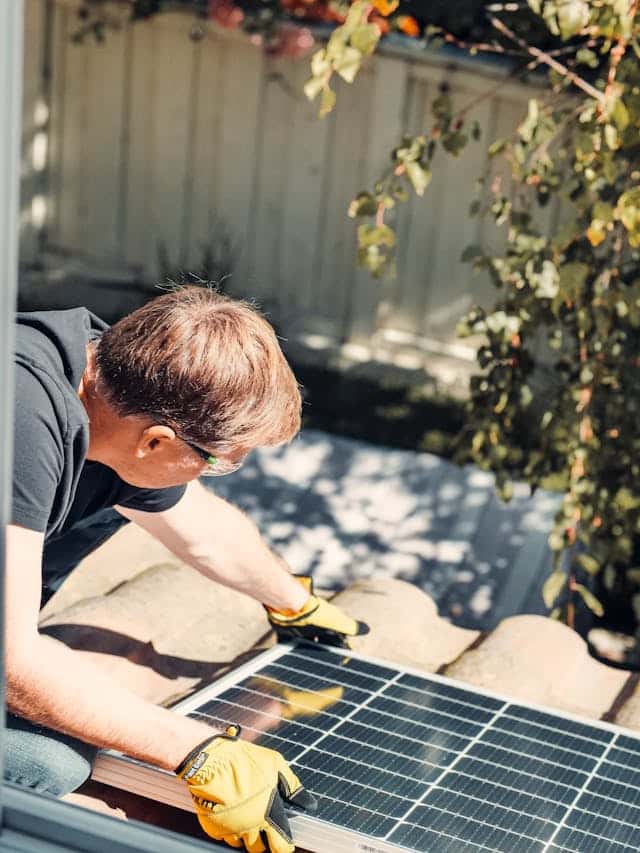
Installing solar panels or wind turbines allows homes to generate energy, significantly reducing dependence on traditional power grids. Modern luxury homes also integrate solar batteries to store excess energy for future use.

6. Smart Home Technology

Smart thermostats, energy monitoring systems, and automated lighting improve energy efficiency and convenience. These features are essential for any forward-thinking green home design.

Sustainable Building Materials in Luxury Homes

By opting for sustainable materials, luxury homes can achieve unparalleled beauty and environmental friendliness. These choices reduce the environmental footprint without compromising on sophistication.

1. Bamboo

As a rapidly renewable resource, bamboo is ideal for flooring and accents. It offers a sleek, modern look that complements traditional and contemporary eco-friendly design ideas for luxury homes.

2. Reclaimed Wood

Reclaimed wood prevents deforestation and adds character and uniqueness to luxury interiors. Learn how ES Design incorporates reclaimed wood and other materials in our luxury home projects.

3. Recycled Glass

This versatile material can be used for countertops, tiles, and decorative features, giving homes a polished, eco-conscious finish.

4. Sustainable Concrete

Concrete made with recycled materials reduces emissions while providing the durability and strength necessary for high-end designs. For more insights, check out the guide to luxury design by ES Design.

5. Cork

Cork is a renewable material with excellent insulation properties. It’s perfect for flooring or wall coverings, offering luxury homes a natural, textured aesthetic.

6. Low-VOC Paint

Using paints with low volatile organic compounds (VOCs) ensures better indoor air quality while adding vibrant colours to your home.

Incorporating Nature Into Design

Seamlessly integrating nature into luxury homes is a hallmark of high-end home design. Biophilic design principles emphasise the connection between humans and nature, creating tranquil and rejuvenating spaces.

1. Living Walls

Vertical gardens purify the air and serve as striking design features that enhance indoor and outdoor spaces.

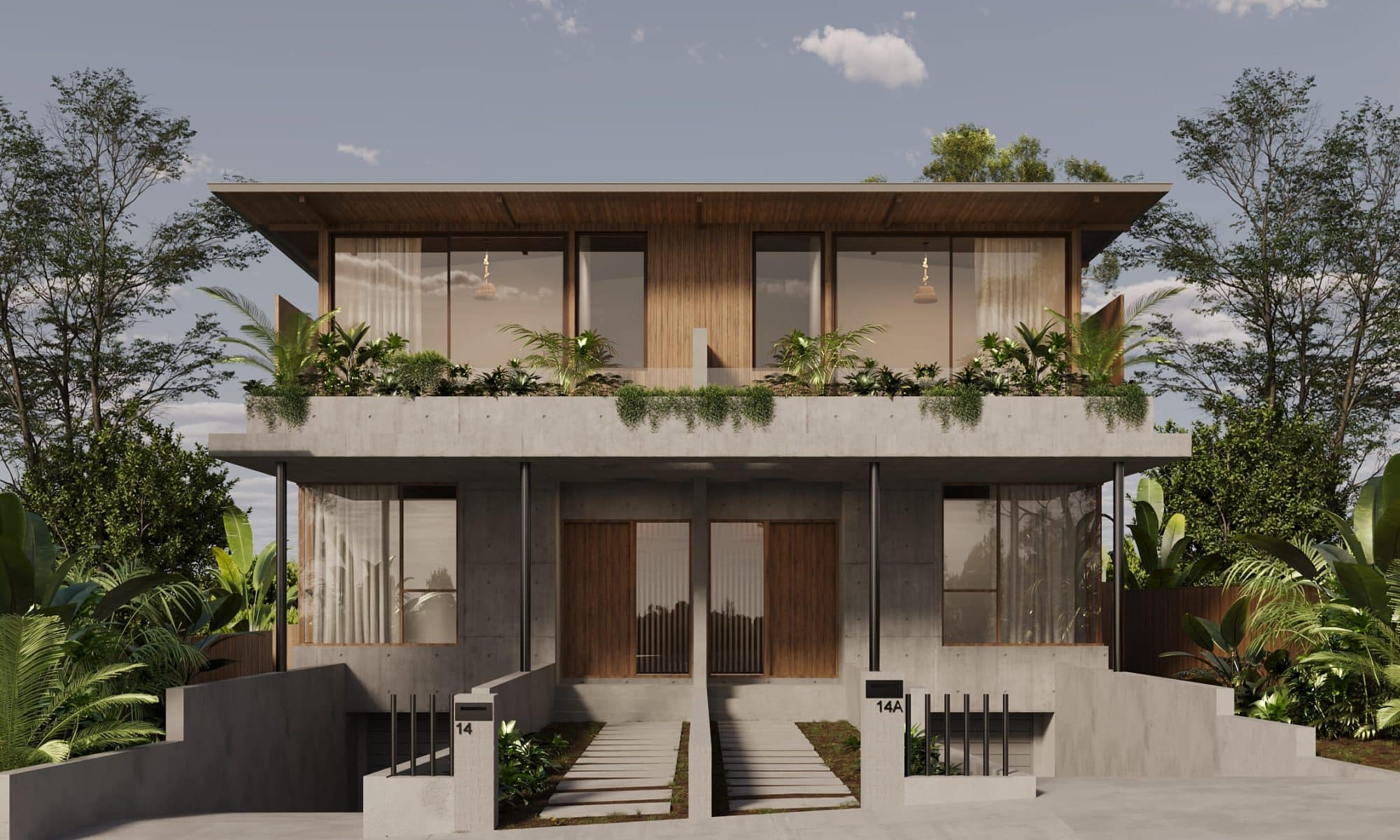
2. Rooftop Gardens

Transform rooftops into lush oases, complete with native plants and even edible gardens, to maximise green spaces.

3. Natural Light Optimisation

Skylights, large windows, and open floor plans enhance natural light, reducing the need for artificial lighting and creating warm, inviting spaces. Explore four expert tips from our blog post to elevate luxury home design.

4. Water Features

Natural ponds, waterfalls, or eco-friendly fountains enhance aesthetics, promote relaxation, and create a serene environment.

5. Outdoor Living Spaces

Luxury homes can extend their eco-friendly appeal outdoors with features like pergolas, solar-powered patio lighting, and outdoor kitchens that use sustainable materials.

These innovations perfectly embody green and luxurious home design ideas, blending elegance with eco-consciousness.

Final Thoughts

The evolution of luxury homes demonstrates that environmental sustainability and sophistication can coexist seamlessly. By embracing eco-friendly house design, homeowners contribute to a healthier planet and enjoy financial savings, enhanced living experiences, and peace of mind.

Ready to transform your dream home into a masterpiece of green home design? Contact ES Design today. From eco-friendly projects to tailored interior solutions, our team of experts is here to bring your vision to life.

Are Interior Designers Worth the Investment?

Interior design is critical in transforming a house into a home or a commercial space into a productivity hub. It’s not just about selecting colours and furniture; it’s a strategic process that combines functionality, style, and personal preferences. Yet, many homeowners and businesses hesitate to hire interior designers, questioning whether the cost is justifiable.

Hiring a professional can save you time, money, and stress while enhancing your property’s value. Let’s explore a comprehensive look at the value of interior designers and explain why this investment is worth every penny.
 

What Does an Interior Designer Do?

Interior designers are trained professionals who specialise in turning visions into reality. Their expertise extends beyond mere decoration—they manage every aspect of the design process. Here’s how their interior design services make a difference:

1. Space Planning and Optimization

Designers assess your space to create layouts that maximise both functionality and aesthetics. Whether you have a small apartment or a sprawling office, their plans ensure every square meter is well-spent. For tips on optimising your space, check out our blog post,  4 Simple Design Tips to Maximise Your Space.

2. Project Management

From sourcing materials to coordinating contractors, interior designers handle all the logistics, ensuring your project stays on time and within budget.

3. Style Customization

By understanding your tastes, they craft personal and unique interiors, blending beauty with practicality. Their expertise in home interior design helps create spaces that reflect your lifestyle while maintaining comfort.
 

Benefits of Hiring an Interior Designer

Many wonder: is hiring an interior designer cost-effective? The answer lies in the tangible and intangible benefits they provide. Here are some reasons why working with a professional is a smart decision:

1. Cost Savings Through Expertise of Interior Design Firms 

Mistakes can happen without proper planning— oversized furniture, mismatched designs, or unnecessary purchases. Interior designers prevent these errors by making informed choices, saving you money.

Discover how good design boosts property value in Maximising Property Value: How Good Design Boosts Your Investment.

2. Access to Exclusive Resources

Designers have relationships with vendors, suppliers, and skilled tradespeople. This gives you access to unique materials, high-quality furniture, and custom solutions that aren’t readily available to the public.

3. Time Management

Design projects can be overwhelming. A designer simplifies the process, managing timelines and resolving challenges efficiently.

4. Added Property Value

A well-designed space looks stunning and increases your property’s market value. Whether for resale or rental, the investment in good design pays off. This is particularly true when engaging an experienced interior design firm that understands how to combine style and functionality seamlessly.

Ultimately, a comprehensive look at the value of interior designers shows they provide both immediate and long-term returns.
 

Is Hiring an Interior Designer Worth the Cost?

The question, “Are interior designers worth the investment?” often arises when considering the initial expense. Consider a real-life example: A Sydney family sought to renovate their outdated home. After engaging a professional, they achieved a cohesive interior design that aligned with their vision and boosted the home’s resale value by 20%.

The expertise of interior designers ensures that your money is spent wisely, balancing your style preferences with practicality. The cost of hiring a designer is minimal compared to the value they add.

Read our blog post “Sydney Homes: Where Unexpected Design Steals the Show” for inspiration on how innovative design can transform spaces.
 

Misconceptions About Interior Designers

Many believe interior designers are only for luxury projects or those with unlimited budgets. However, this couldn’t be further from the truth. Let’s debunk some common myths:

  • Myth 1: Designers Are Too Expensive – While designers charge for their services, they often save you more in the long run by avoiding costly mistakes and ensuring efficient resource use.
  • Myth 2: Designers Impose Their Style – A good designer doesn’t force their preferences. Instead, they work collaboratively with clients to bring their vision to life while enhancing it with professional insights.

Want a closer look at how designers achieve luxury aesthetics on different budgets? Explore our A Guide to Luxury Design blog post.

By addressing these misconceptions, more homeowners and businesses can feel confident contacting interior design companies for their projects.
 

How to Choose the Right Interior Designer

Finding the perfect match for your project can feel overwhelming, but these tips will help:

  1. Evaluate Portfolios
    Check out previous projects to understand their style and expertise. For inspiration, browse ES Design’s Projects, showcasing stunning interior design services in Sydney.
  2. Ask for Recommendations
    Reviews and testimonials offer valuable insights into a designer’s professionalism and results.
  3. Discuss Budget and Scope
    Transparency is key. Communicate your budget and expectations upfront to ensure alignment.

Partnering with a reputable interior design firm like ES Design guarantees finding a designer who aligns with your goals.


Why Interior Designers Are a Smart Investment

When you consider the ROI of hiring a professional, the benefits become undeniable. For example:

Asking, “Is hiring an interior designer cost-effective?” reveals the true value of their expertise. By preventing errors and maximising the potential of your space, they prove to be an invaluable partner in any design project.
 

Conclusion

The benefits of hiring an interior designer go far beyond aesthetics—they save you time, money, and stress while delivering functional and beautiful spaces. Professionals bring invaluable expertise whether you’re redesigning your home or a commercial space.

Ready to start your journey? Contact Interiors by ES today to discover how their expert interior design services can bring your vision to life.

The DA Approval Process in NSW: Step-by-Step Guide

Navigating the DA approval process in New South Wales (NSW) can be daunting, whether you’re developing a residential or commercial property. Obtaining development approval is crucial to turning your vision into reality and ensuring that your project meets all regulatory and local council requirements. This guide will help you understand the DA approval process in NSW step by step and prepare for the journey ahead.

First, it’s essential to understand the key difference between development applications and complying development certificates.
 

What is a Development Application (DA)?

Development Application (DA) is the formal consent required from the local council before construction or property changes can begin. It ensures your project complies with relevant planning guidelines, zoning, and community standards.

In NSW, DA approval is required for most types of construction, including new buildings, extensions, and significant renovations. The process protects the community’s interests and maintains the area’s character.

Visit our capabilities  page to learn more about our services to support your project.
 

The Process of Obtaining DA Approval (Step by Step)

Understanding how to get DA approval in NSW requires familiarity with essential steps. Below is a simplified version of the DA approval process to guide you:

  1. Pre-Lodgement Stage: This is the preparatory phase where you gather all necessary information and documents. Working with a skilled team of professionals can simplify this stage and can assist with accelerating the overall DA timeline. A pre-lodgement consultation with council, although not necessary, is recommended especially for complex proposals.
  2. Lodgement Stage: This stage involves formally submitting your application to your local council via the NSW online planning portal. Your documents will be reviewed initially by council staff to confirm completeness. Once the application has been accepted, payment will be required in order to obtain a development application number.
  3. Assessment Stage: During the assessment stage, the council conducts site inspections, consults with stakeholders, and evaluates your application against planning controls and regulations. This is a critical phase where the council may ask for additional information or suggest amendments.
  4. Determination Stage: At this stage, the council decides on your application. There are three possible outcomes: approval, deferred commencement, or refusal. If approved, council will issue conditions of consent. This is a list of prerequisites that must be followed during and after construction.
  5. Construction Certificate Stage: Once DA approval is obtained, you need a Construction Certificate before beginning any work. This ensures all planning conditions are fulfilled. You must also appoint a Principal Certifying Authority (PCA) to oversee construction. This can be a private certifier or a certifier from your local council.
  6. Occupation Certificate Stage: At the completion of this final stage the certifier will issue an occupation certificate to verify that all conditions have been met, ensuring your project adheres to all regulatory standards and is fit for occupation. Refer to the following blog for 10 vital reasons required to obtain an OC.

For inspiration, you can check out our successful projects that followed these processes.


Key Requirements for DA Approval in NSW

To obtain DA approval in NSW, several requirements must be met, such as zoning compliance, meeting environmental criteria, and fulfilling specific council guidelines. Proper planning from the start can streamline the approval process and avoid delays.

Each local council has unique requirements, including heritage considerations and restrictions in flood-prone areas. The authorities assess these criteria carefully during the development application process.

The collaboration between ES Planning and ES Design helps manage these complexities, ensuring a smooth and timely path to approval.


Common Pitfalls in the Development Application Process

The DA approval process can be challenging, mainly if you aren’t aware of the common pitfalls. Some frequent mistakes include: submitting incomplete documentation, misunderstanding zoning rules, and failing to comply with environmental constraints. Missteps can lead to delays or, worse, outright rejection.

Consulting professionals who understand the ins and outs of this process is crucial to avoid these pitfalls.


What to Do If Your DA is Refused

If your DA is refused, it’s essential to understand your options. The following steps can include revising and resubmitting your original plans (Division 8.2 Review) or appealing the decision through the Land and Environment Court. Both these options have time limitations, so it is essential to act quick. Sometimes, minor modifications may be enough to get your project back on track.

ES Planning can assist with the appeal process and help make adjustments that meet council expectations. Visit our Development Application page for more details on how we can support you.
 

Conclusion

The DA approval process in NSW is necessary for anyone looking to develop property in the state. By understanding each step and preparing in advance, you can avoid misunderstanding and help ensure your project is successful.

Consult our knowledgeable team for expert assistance with your development application. Explore our services, such as NSW-compliant development, on our Complying Development page, or contact us today to get started. Together, we can turn your vision into a reality.