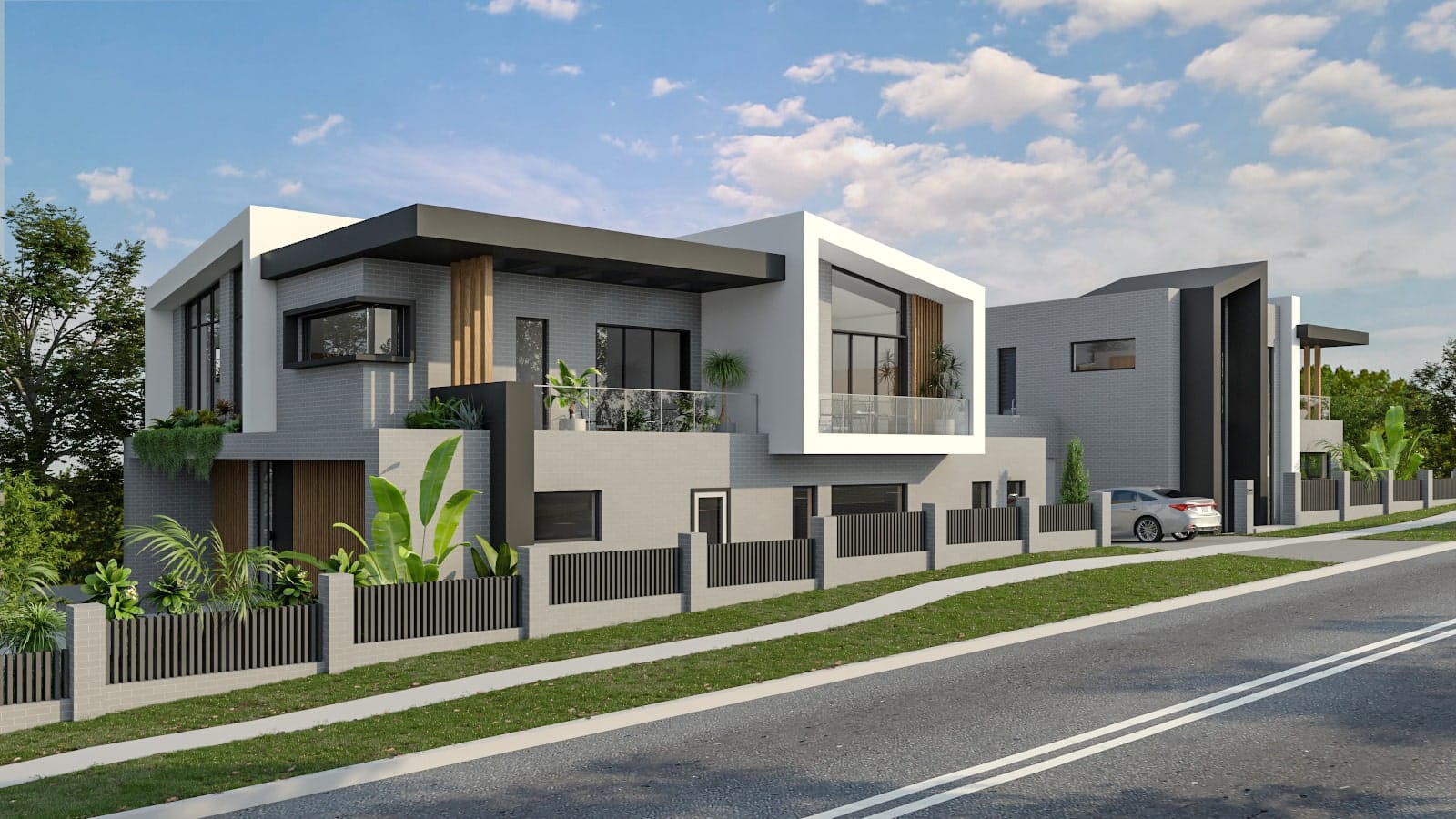


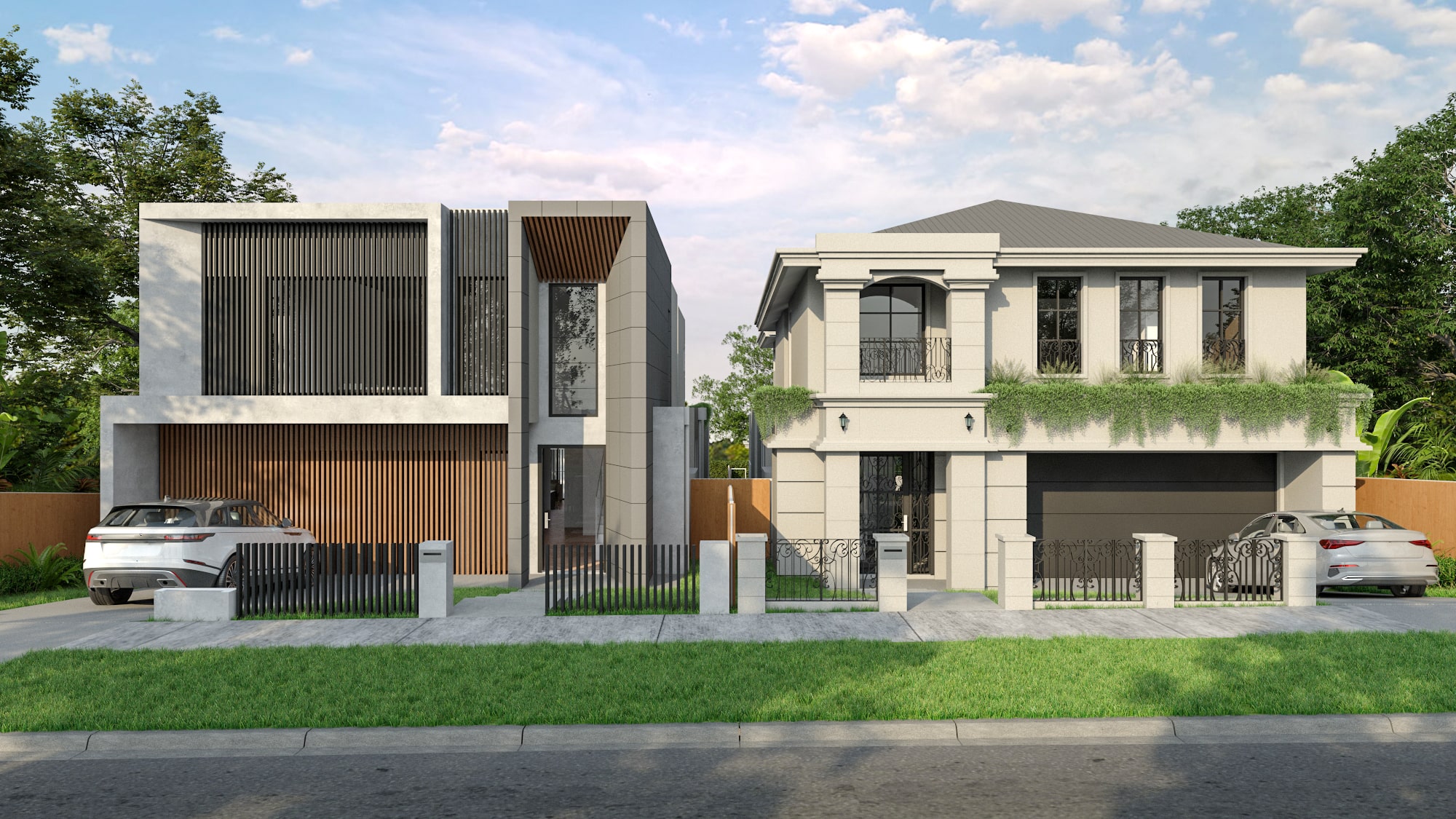
If you want to extend and renovate your home, build a dual occupancy, or develop a property, you will most likely need development approval from your local council. Unfortunately, the process of applying for development approval can be time-consuming and confusing.
To save time and make the process easier for you, we have put together a brief guide to developing applications in Sydney.
What is a Development Application?
A Development Application or DA is a formal application for property development made to the local council. If the development or proposed building works require consent, you will need to submit an application and get council approval before any work begins. Typically developments that require consent include:
- Erecting new buildings or altering existing buildings
- Swimming pools
- Demolishing a building
- Altering, demolishing or renovating any heritage building
- Changing the use of any building or land (i.e., residential to commercial)
- Subdividing land or strata subdividing a building
- Erecting any commercial or industrial building
- Carrying out earthworks
Not all development needs a DA; smaller projects such as retaining walls, fences, carports, unroofed decks and patios often do not.
Upon lodgement of the DA, the council will assess the application to determine the impact your development may have on the environment, whether it is likely to cause privacy impacts on neighbours and whether your renovation or development plans comply with building requirements in the residing area.
How much do Development Applications cost in Sydney?
Unfortunately, Development Applications come at a cost. Council fees alone can add up to several thousand dollars, excluding all the costs associated with creating designs, architectural drawings, town planning, consultant reports and all other documentation required.
With that in mind, it is always best that an application is prepared correctly with all supporting documentation necessary to ensure that costs are kept to a minimum.
What’s included in a Development Application?
A Development Application will need to include extensive documentation and information concerning plans for the proposed development. This should include a detailed description of the development plans, details of the land’s title, estimated costs, a list of any approvals required to develop the land and more.
The application will also need to be sent with extensive documentation, including a statement of environmental effects document prepared by a qualified town planner, a BASIX certificate, documents describing the arrangement of utility services (such as stormwater) and much more.
Unfortunately, every Development Application is different, so you may need to submit additional information, depending on your land’s location and the nature of your development.
How can I make submitting a Development Application easier?
Submitting a Development Application can be long and arduous unless you have expert help. The team at ES Design specialise in streamlining DAs for our clients, armed with a clear understanding of local and state legislation and decades of experience.
We’ll liaise with the council for you to understand precisely what is required, then work with you to create and organise all necessary documentation – and finally submit a completed application. Want to get started? Enquire with ES Design today.