

Thinking of building or developing in Sydney? You’ve probably come across the terms DA and CDC. It’s easy to get confused, especially if you’re new to property development.
Let’s clear it up.
There are two main paths to getting approval for your build: a Development Application (DA) or a Complying Development Certificate (CDC). Both bring you from plan to project—but the way they work, and how long they take, are entirely different.
What Is a DA?
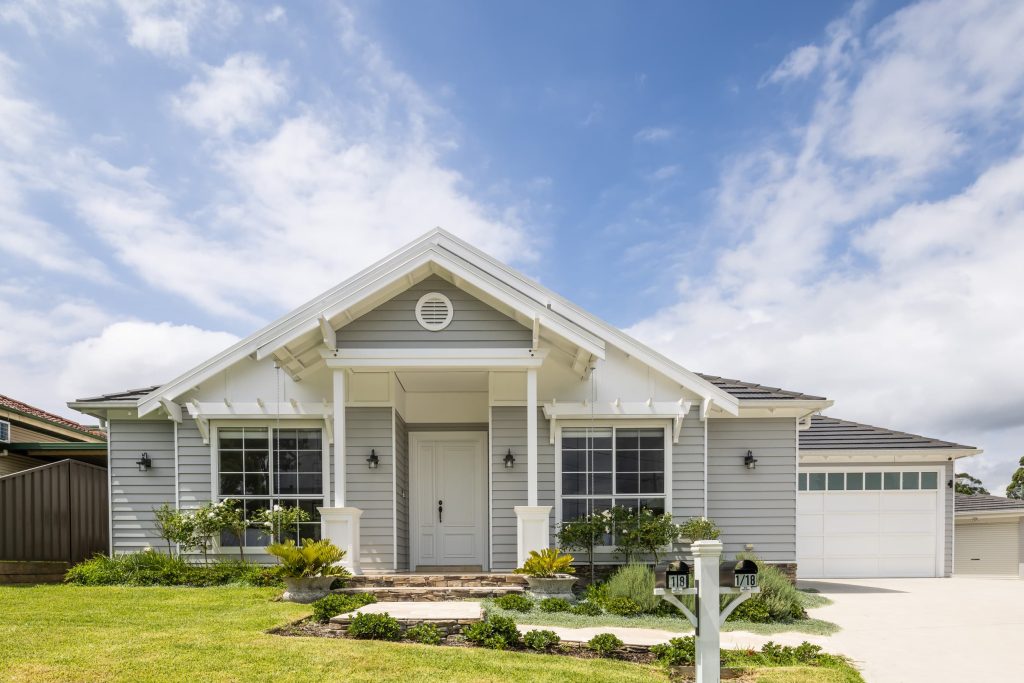
A Development Application is the standard route for more involved or unusual projects. Here’s when you’ll likely need a DA:
- Your property is in a heritage area
- Your plan exceeds local height or boundary limits
- The land has excessive bushfire or flood risks
Your local council handles DA approval. They look at your proposal, determine whether it fits the area, and decide based on merit. This means there’s room to explain your vision—even if your plan bends some of the standard rules.
Expect to submit several documents: site plans, elevations, reports, maybe even environmental studies. Neighbours can also have their say, especially if the build might affect them.
How long does it take?
Even though councils are expected to have applications determined within 40 days, they usually take 3 to 6 months, sometimes longer.
What Is a CDC?
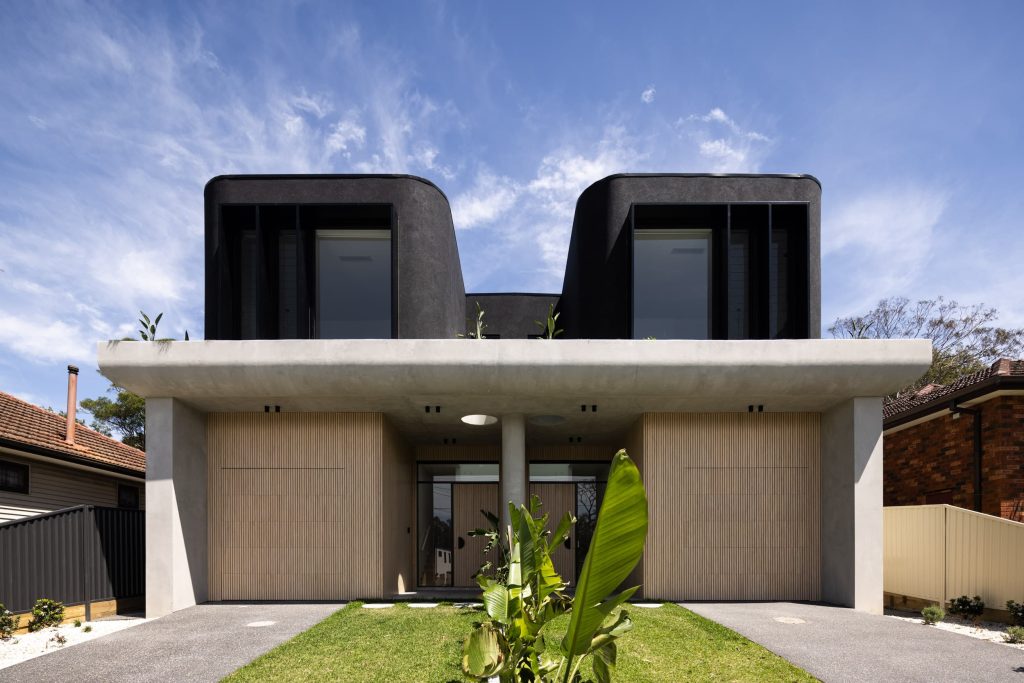
A Complying Development Certificate skips the lengthy back-and-forth with the council, but only if your design meets all the requirements exactly.
As long as your design fits the rules to the letter, a CDC can be issued quickly by either the council or a private certifier.
How long does it take?
Once your documents are ready, approval can land in as little as 20 days.
But here’s the catch: there’s no wiggle room. Even a minor breach won’t be approved.
DA vs. CDC — A Quick Comparison
| Feature | DA | CDC |
| Assessed By | Local Council | Council or Certifier |
| Flexibility | Yes | No |
| Public Notice | Often required | Rarely needed |
| Processing Time | 3–6 months | Around 20 days |
| Site Limitations | Broader approval range | Site must meet exact rules |
Which One Should You Choose?
If your property sits in a protected zone or the design pushes boundaries, a DA is probably your best bet. You’ll have more freedom, but also more paperwork and waiting.
If your build is straightforward and meets all the code, a CDC is faster and cheaper. Just make sure you double-check eligibility through the NSW Planning Portal.
A word of caution: don’t guess which path to take. What seems simple can quickly get knocked back. And no one wants to lose weeks—or months—on rework.
How ES Design Can Help
At ES Design, we’ve helped thousands of clients in New South Wales move smoothly through planning approvals.
Our dedicated team of town planners will check your plans and let you know what’s possible right away—whether that means applying for a Development Application or moving ahead with a Complying Development Certificate.
We handle:
- Site analysis
- Preparation of plans and reports
- Lodgement and follow-ups
- Working with private certifiers or local councils
You’ll also find a selection of our work on Our Projects page. Want to speak with someone about your own plans? Contact us, and we’ll help you get started.
Things to Consider Before You Apply
1. Know your land
Heritage listings, flooding, or bushfire overlays can rule out a CDC, no matter how standard your build is.
2. Don’t assume faster means easier
While CDCs are quick, preparing the documentation can still take time. Certifiers won’t approve until every detail checks out.
3. Don’t go it alone
Even small design choices can make or break your application. A quick review by a professional can save weeks.
4. Plan ahead for the next step
A DA gives you consent, but you’ll still need a Construction Certificate before work begins. A CDC covers both steps in one go.
Final Thoughts
So, what is the difference between a DA and a CDC? One gives you flexibility, the other gives you certainty and speed. A DA is best for builds that need more room to move. A CDC works well for designs that stick to the book.
Neither is better than the other—it just depends on your site, your design, and how quickly you want to get started.
If you’re unsure which way to go, that’s where ES Planning comes in. We’ll help you choose the right path—and walk with you the whole way.