A comprehensive guide to NSW Complying Development for Builders and Homeowners

In NSW, most minor developments won’t need approval. For example, if you are adding a deck or a carport to your home that is no greater than 25 square metres, there is no need to get council approval. However, if your renovation or build is a little larger but still straightforward, you will be required to submit a complying development certificate (CDC). In the following article, we also look at what rights you have as a neighbour when a development is happening next door.

What is a NSW Complying Development Certificate (CDC)

Complying development is a combined planning and construction approval for straightforward development that can be determined through a fast-track assessment by a council or an accredited certifier. Complying development applies to homes, businesses and industry and allows for a range of things like the construction of a new house, alterations and additions to a house, new industrial buildings, demolition of a building, and changes to a business use.

For this reason ‘sign off’ by a building professional (known as a certifier) is needed. Complying development is also subject to conditions of approval to protect surrounding uses during the construction period and the life of the complying development. Fast-tracked complying development approvals can be issued in as little as 20 days.

How do you know when a CDC is needed?

Determining when you need a CDC can get complicated, especially when it comes to residential renovations. Take a look at the following complying development guidelines to help you decide whether or not you need a CDC for your project.

  • Check your site
    Not all sites allow CDCs. Some areas such as heritage conservation sites, do not allow for CDCs. Other potential site issues can be bush-fire prone lands and critical habitats. You can obtain this information through your local council and via 10.7 Planning certificate.
  • Low rise medium development
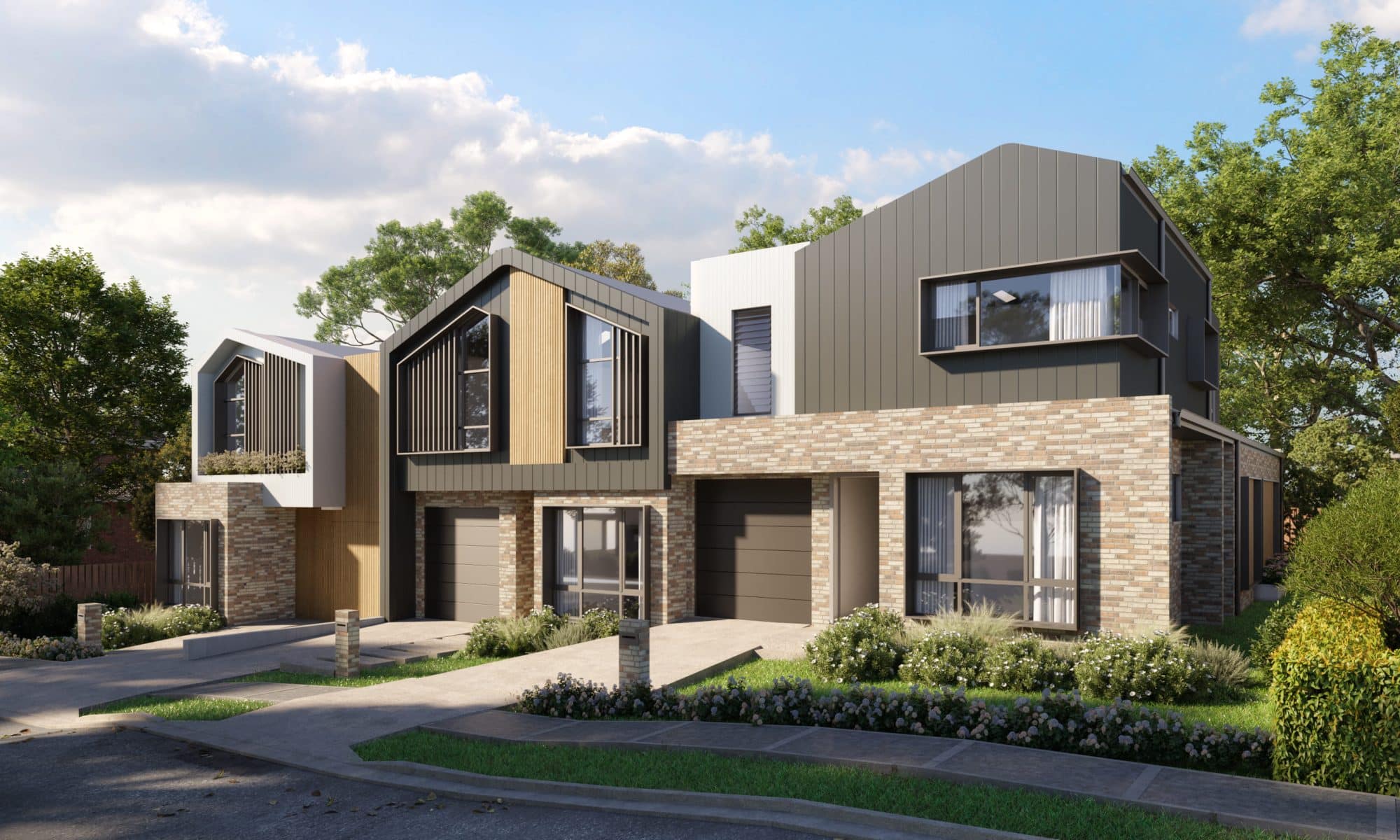
    Low rise medium developments are dual occupancies with one or two storeys, manor houses and terraces. They will be included as a complying development and therefore only need a complying development certificate where medium density development is already permitted under a council’s local environmental plan. Bear in mind that these are guidelines and your need for CDC may differ depending on your property. For the most accurate information, contact your local council.
  • Ask the experts at ES Design
    We have the knowledge and experience to help you understand all the options in getting your CDC in an easy, streamlined way – without the red tape.

Can you object to a complying development?

Yes and no, as this will depend on the individual circumstances. If someone next door or on your street is seeking to develop a property you may have legal rights to object to the property being developed. The law does in some circumstances give rights to persons concerned about proposed developments to have their concerns considered. So if you’re unhappy about a proposed development, there are a few things that you can do.

The best way to find out whether a development needs or has consent is to ask the council. Ask council staff whether a development application has been lodged for the property. If your council has received a development application it must make it available for inspection by members of the public.

Preparing a submission

Anyone may make a submission to a council about a development application, whether or not it has been advertised or notified. A submission may support an application, oppose it, request that modifications be made or that conditions be imposed. If the proposed development is on your neighbour’s property, it’s worth asking them for details and discussing your concerns with them before considering making a submission. They may be willing to accommodate your concerns by modifying and resubmitting their plans.

Are there any other things I need to know about Complying Development?

Yes! There are a few other important things you need to know about Complying Development:

  • All work must be completed within 12 months of the date of issue of the CDC;
  • You cannot make any changes to your approved plans without prior approval from your local council or accredited certifier; and
  • You must comply with all conditions of approval imposed by your local council or accredited certifier

At ES Design, we keep up to date with changing legislation and certifier requirements to make sure the CDC approval process is:

  • Fast, easy and efficient and done as swiftly as possible
  • Done by experienced professionals with a proven track record
  • Done quickly so you can get your life back, spend less time on paperwork and more time doing what you love.
  • Left in the best possible hands.

If you’d like to find out more or book an appointment, call us today on 0460 000 000.

Make The Design Approval Process Easier & More Efficient with ES Design

If you are building a new home or doing a major renovation, building development approvals are essential to any construction in NSW. Planning regulations constantly evolve, so it’s always best to research and know precisely what to do before starting any planning or construction work. When you know what you are dealing with, there are ways to make the process easier and more efficient.

DA approvals in NSW

A Development Application (DA) is a request for approval to conduct building or development work in New South Wales. Approval of a DA is usually given by the local council or a government body such as the NSW Department of Planning, Industry and Environment. Getting a DA approved involves submitting plans, paying fees, and demonstrating that the proposed development meets relevant regulations and standards. In NSW, most minor developments won’t need approval. For example, if you are adding a deck or a carport to your home that is at most 25 square metres, there is no need to get council approval.

Development Application alternatives

Some states have set up alternatives to a full DA council approval. In NSW, this is called a ‘Complying Development Certificate’. If an application meets all regulations, is in a sewered area and doesn’t involve heritage, a council must deal with it within 10 days. A third of all DA approvals in NSW are now classified as Complying Developments and are a faster, more effective approval pathway.

CDC vs DA approval

A CDC allows for certain types of minor and medium-density developments to be approved through a fast-tracked assessment process rather than a traditional Development Application (DA) process.

The main difference between a DA and a CDC is the level of detail and scrutiny required for each. A CDC is a simpler and faster process, with fewer requirements for plans and documentation. A DA, conversely, is a more detailed and involved process, requiring more documentation and plans and taking longer to get approved.

An important point to remember is that not all developments are eligible for a CDC, and some will require a DA for approval. The type of development and its location will determine which process is needed.

NSW has introduced an online Planning Portal where you can check the zoning of your property, find out what type of development is allowable, view 3D demonstrations of exempt developments and access various development application statistics.

How to get DA approval

Getting DA approval involves getting a range of documents and certifications signed before any building starts. Development approval in NSW can be a challenging process that requires time and much patience. When you start on the development path, there are many things to look out for, and it’s easy to miss something without expert guidance.

The Environment Planning & Assessment Act 1979 sets penalties of up to $1.1 million for unauthorised or non-complying developments. Depending on the council and the extent of the development work, you can be issued an on-the-spot infringement notice for each breach you commit – up to $1,500 (for individuals) and $3,000 (for companies).

Get expert help

Submitting a Development Application can be long and arduous without expert help. The DA process can be one of the most frustrating things about building a home. The average time for a development approval also depends on the size and scope of the development. Once the DA is lodged with the council, it can take 21 to 90 days to decide. At ES Design, we can help by consulting with our extensive network of suppliers to produce a package for submission to the certifying authority. We then act as a liaison between the councils, giving you updates from approval to construction.

Tips for speedier processing of a development application:

  • Talk to your neighbours before lodging your DA.
  • Provide all the required documentation: plans, survey, and statement of environmental effects.
  • Comply with all council planning controls or present a sound case for variations.
  • Get in touch with our expert team.

ES Design is with you all the way

At ES Design, we specialise in streamlining DAs for our clients, with a clear understanding of local and state legislation and decades of experience. We capture all necessary information for your development, taking the time to understand your requirements and the compliance surrounding them.

Why choose us for your next project?

  1. ES Design is an Australian company that specialises in the design of development applications.
  2. The company was founded in 2006, with the need for a more efficient and effective way to design and improve the building process.
  3. ES Design has since grown to become one of the leading Development Application and design firms in Australia, with a team of experienced and qualified professionals.
  4. The company offers a range of services to clients, including project management, town planning, and interior design.
  5. ES Design has a proven track record of success in helping clients to obtain development approval in a timely and efficient manner.

If you’d like to find out more or to book an appointment, call us today on 0460 000 000.