


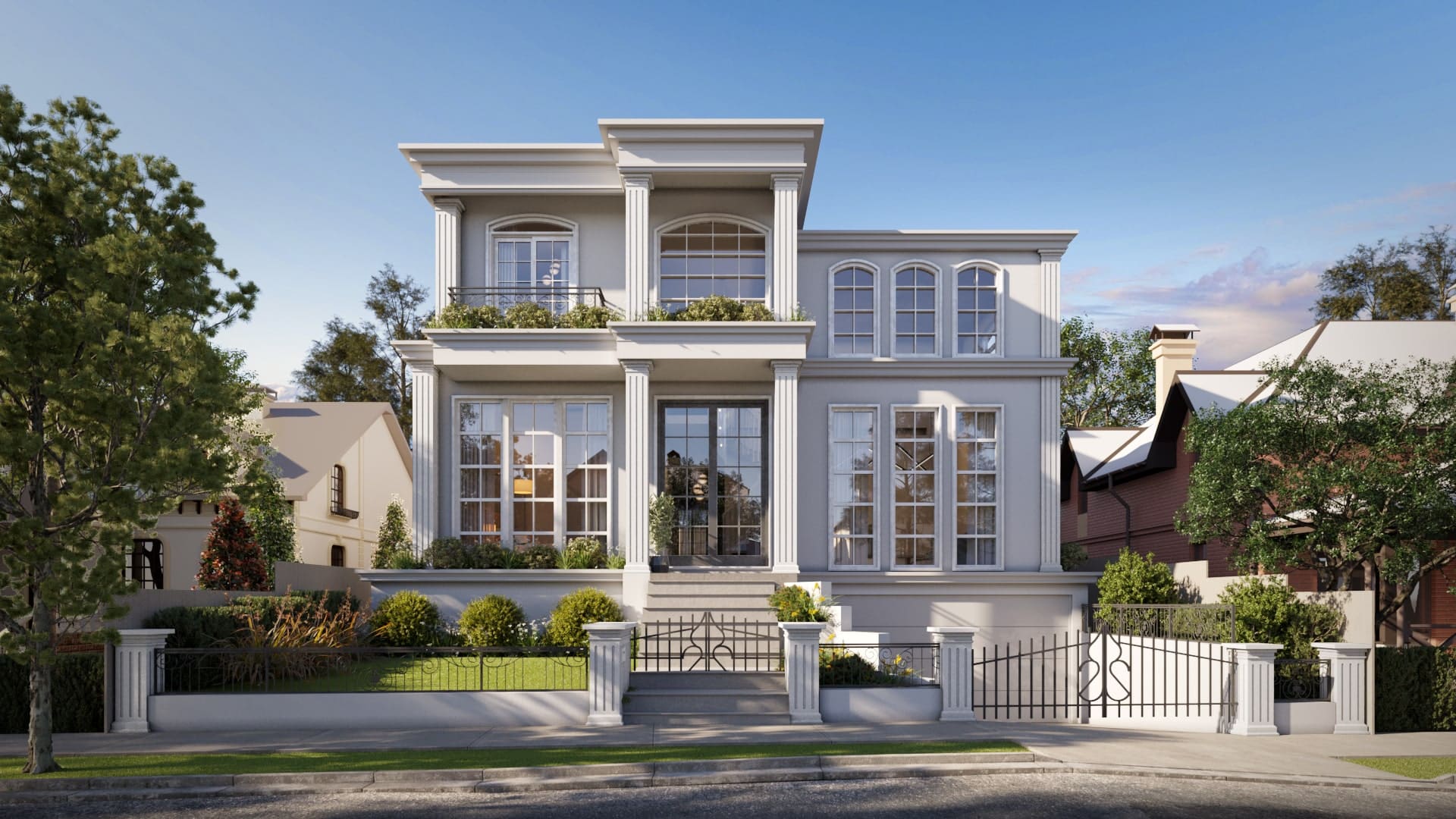
Navigating the DA approval process in New South Wales (NSW) can be daunting, whether you’re developing a residential or commercial property. Obtaining development approval is crucial to turning your vision into reality and ensuring that your project meets all regulatory and local council requirements. This guide will help you understand the DA approval process in NSW step by step and prepare for the journey ahead.
First, it’s essential to understand the key difference between development applications and complying development certificates.
What is a Development Application (DA)?
Development Application (DA) is the formal consent required from the local council before construction or property changes can begin. It ensures your project complies with relevant planning guidelines, zoning, and community standards.
In NSW, DA approval is required for most types of construction, including new buildings, extensions, and significant renovations. The process protects the community’s interests and maintains the area’s character.
Visit our capabilities page to learn more about our services to support your project.
The Process of Obtaining DA Approval (Step by Step)
Understanding how to get DA approval in NSW requires familiarity with essential steps. Below is a simplified version of the DA approval process to guide you:
- Pre-Lodgement Stage: This is the preparatory phase where you gather all necessary information and documents. Working with a skilled team of professionals can simplify this stage and can assist with accelerating the overall DA timeline. A pre-lodgement consultation with council, although not necessary, is recommended especially for complex proposals.
- Lodgement Stage: This stage involves formally submitting your application to your local council via the NSW online planning portal. Your documents will be reviewed initially by council staff to confirm completeness. Once the application has been accepted, payment will be required in order to obtain a development application number.
- Assessment Stage: During the assessment stage, the council conducts site inspections, consults with stakeholders, and evaluates your application against planning controls and regulations. This is a critical phase where the council may ask for additional information or suggest amendments.
- Determination Stage: At this stage, the council decides on your application. There are three possible outcomes: approval, deferred commencement, or refusal. If approved, council will issue conditions of consent. This is a list of prerequisites that must be followed during and after construction.
- Construction Certificate Stage: Once DA approval is obtained, you need a Construction Certificate before beginning any work. This ensures all planning conditions are fulfilled. You must also appoint a Principal Certifying Authority (PCA) to oversee construction. This can be a private certifier or a certifier from your local council.
- Occupation Certificate Stage: At the completion of this final stage the certifier will issue an occupation certificate to verify that all conditions have been met, ensuring your project adheres to all regulatory standards and is fit for occupation. Refer to the following blog for 10 vital reasons required to obtain an OC.
For inspiration, you can check out our successful projects that followed these processes.
Key Requirements for DA Approval in NSW
To obtain DA approval in NSW, several requirements must be met, such as zoning compliance, meeting environmental criteria, and fulfilling specific council guidelines. Proper planning from the start can streamline the approval process and avoid delays.
Each local council has unique requirements, including heritage considerations and restrictions in flood-prone areas. The authorities assess these criteria carefully during the development application process.
The collaboration between ES Planning and ES Design helps manage these complexities, ensuring a smooth and timely path to approval.
Common Pitfalls in the Development Application Process
The DA approval process can be challenging, mainly if you aren’t aware of the common pitfalls. Some frequent mistakes include: submitting incomplete documentation, misunderstanding zoning rules, and failing to comply with environmental constraints. Missteps can lead to delays or, worse, outright rejection.
Consulting professionals who understand the ins and outs of this process is crucial to avoid these pitfalls.
What to Do If Your DA is Refused
If your DA is refused, it’s essential to understand your options. The following steps can include revising and resubmitting your original plans (Division 8.2 Review) or appealing the decision through the Land and Environment Court. Both these options have time limitations, so it is essential to act quick. Sometimes, minor modifications may be enough to get your project back on track.
ES Planning can assist with the appeal process and help make adjustments that meet council expectations. Visit our Development Application page for more details on how we can support you.
Conclusion
The DA approval process in NSW is necessary for anyone looking to develop property in the state. By understanding each step and preparing in advance, you can avoid misunderstanding and help ensure your project is successful.
Consult our knowledgeable team for expert assistance with your development application. Explore our services, such as NSW-compliant development, on our Complying Development page, or contact us today to get started. Together, we can turn your vision into a reality.