

Garage Conversion to Granny Flat NSW: What Most Homeowners Don’t Know Many property owners assume that converting an existing garage into a granny flat is a simple and cost-effective way to create additional living space. While reusing an existing structure can be an excellent starting point, the reality is that most garages were never designed …
Continue reading “Garage Conversion to Granny Flat NSW | Approval Requirements & Common Challenges”

Thinking of building? It’s one of the biggest decisions you’ll make, and who you choose to design it matters just as much as the design itself. A great building designer doesn’t just put your ideas on paper. They help you plan a space that feels right, functions well, and fits your budget and lifestyle. Here …
Continue reading “Top 10 Questions to Ask When Hiring a Building Designer”
Walk down any well-planned street and you can sense it. The houses line up just right. Trees cast the right amount of shade. Front doors face each other in a way that makes neighbours wave more often than not. That balance doesn’t happen by accident. In New South Wales, one of the biggest tools behind …
Continue reading “NSW Housing Pattern Book Design Explained”
Thinking of building or developing in Sydney? You’ve probably come across the terms DA and CDC. It’s easy to get confused, especially if you’re new to property development. Let’s clear it up. There are two main paths to getting approval for your build: a Development Application (DA) or a Complying Development Certificate (CDC). Both bring …
Continue reading “What is the Difference Between a DA and a CDC?”
Building a home or commercial space is one of the most exciting things you can do—but it’s also where many people go wrong. You might have a vision in your head, a mood board on your wall, and a budget in place. Still, things can fall apart quickly if key details are missed early on. …
Continue reading “How to Avoid Common Mistakes in the Building Design Process”
A CDC—short for Complying Development Certificate—is one of the fastest ways to get building approval in NSW. But fast doesn’t mean hands-off. Many people assume councils are completely removed from the CDC process. That’s not quite true. They don’t approve your application (unless they’re acting as the certifier), but they’re still part of the system. …
Continue reading “What Is the Council’s Involvement During CDC?”
If you’re planning a build or renovation, you’ve probably asked yourself: Who should I hire — a building designer or an architect? It’s a common question, and a valid one. The difference between an architect and a building designer isn’t always obvious, especially if you’re not familiar with how the building industry works in Australia. …
Continue reading “Building Designer vs Architect: Which One Do You Need?”
Town planning is the foundation of well-organised, sustainable, and livable cities. It shapes communities, ensuring that urban and rural areas develop efficiently, environmentally friendly, and socially beneficially. Why is town planning important in Australia? Cities experience rapid growth and require strategic development to accommodate expanding populations. This blog explores the role, benefits, and challenges of …
Designing a commercial building is a rewarding yet intricate process. Whether you’re planning an office, retail space, or industrial facility, thoughtful design can significantly impact functionality, aesthetics, and long-term value. In Australia, navigating regulations and creating spaces that cater to diverse business needs requires precision and insight. This guide will take you through the essential …
Continue reading “How to Design a Commercial Building: A Comprehensive Guide”
As the global focus on sustainability grows, eco-friendly design is becoming a cornerstone of modern luxury homes. The blend of environmental responsibility with high-end aesthetics offers homeowners an unparalleled opportunity to create abundant and sustainable spaces. With Australia’s unique climate and increasing government incentives, the demand for green home design is rising. Why Sustainability Matters …
Continue reading “Eco-Friendly Design Ideas for Luxury Homes”
Interior design is critical in transforming a house into a home or a commercial space into a productivity hub. It’s not just about selecting colours and furniture; it’s a strategic process that combines functionality, style, and personal preferences. Yet, many homeowners and businesses hesitate to hire interior designers, questioning whether the cost is justifiable. Hiring …
Continue reading “Are Interior Designers Worth the Investment?”
Navigating the DA approval process in New South Wales (NSW) can be daunting, whether you’re developing a residential or commercial property. Obtaining development approval is crucial to turning your vision into reality and ensuring that your project meets all regulatory and local council requirements. This guide will help you understand the DA approval process in …
Continue reading “The DA Approval Process in NSW: Step-by-Step Guide”
Selecting the ideal location for a childcare centre is a crucial step in ensuring the success and functionality of your facility. In this article, we’ll explore key factors to consider when evaluating potential sites for your proposed childcare centre. Site Dimensions Preferred Width: A site width >18m is considered the ideal starting width for a …
Continue reading “Child Care Centres – Comprehensive guide to locating the ideal site”
Real estate investing has long been famous for people looking to safeguard their financial future. Building a property instead of purchasing an existing one offers several benefits that can significantly impact both short-term profits and long-term wealth building in real estate investment. Building an investment property can meet market demand, reduce taxes, be cost-effective, create …
Continue reading “The Power of Building Investment Properties”
When it comes to construction projects, adhering to legal regulations is paramount. However, there are certain circumstances in New South Wales (NSW), Australia, where you may be able to build without the need for council approval. This falls under what is known as “exempt development” or “complying development.” These terms refer to specific types of …
Continue reading “Building without Council Approval: An Overview”
In a world where sustainability has become a central concern, detached studios are gaining immense popularity. These versatile spaces not only offer functional utility but also present an opportunity to embrace eco-friendly design practices. At the forefront of this movement is ES Design, a pioneer in crafting detached studios that seamlessly merge functionality with environmental …
Continue reading “Designing for Sustainability: Eco-Friendly Detached Studios by ES Design”
Dual occupancy’s urban housing surge in NSW is remarkable, with corner block designs adding a distinct dimension to suburbs across the state. However, plans pose challenges and prospects, especially regarding optimising space, enhancing functionality, and elevating aesthetics. Engaging a skilled building designer for your corner block design ensures expertise in optimising space, complying with regulations, …
Continue reading “Exploring Innovative Dual Occupancy Corner Block Designs”
Discover how es.au creates stylish and functional CDC duplex designs in NSW that meet the specific requirements set by local planning authorities. Streamline your approvals process while enjoying customised living spaces that prioritise sustainability. Contact us for a free consultation tailored to your needs
Experience the future of living with ES Design’s innovative dual-living house plans. Our varied space plans can cater to diverse lifestyles while promoting intergenerational bonding, privacy and sustainability. Transform your home with our exceptional designs! Check our website and contact us for a free consultation today.
Building a new home can be a daunting task, but with the help of a professional building designer, you can reap many benefits. In this article, we’ll explore the top benefits of building a new home with the es.au, from customised design to increased property value.
Revamp or Rebuild? es.au can help you make the right choice for your Sydney dream home. Discover the benefits of renovating or rebuilding and learn what to consider before making your decision. From budget and time frame to location and building design, our team of professionals is here to help you make the best decision for you and your pocket.
In today’s competitive real estate market, homeowners and investors always seek the best ways to increase property value. One of the most effective strategies is to invest in good building design, which improves aesthetics and increases functionality and overall appeal. There is a significant correlation between property value, how building designers can significantly impact it, …
Continue reading “Maximising Property Value: How Good Design Boosts Your Investment”
Approval for building construction is serious business. Builders must only start building works after knowing all the approval requirements in NSW. As with everything relative to construction and building design, taking the proper steps to ensure your house is compliant and safe is essential. If not done correctly, it can be a very costly exercise. …
Continue reading “Thinking of Building a House? Read This Before Doing Anything”
If you’re about to embark on a renovation project or thinking of building a new home, you must be aware of any development approvals you need to submit before you start. Most minor developments won’t need development approval in Sydney. For example, if you are adding a deck or a carport to your home that …
Continue reading “Navigating Building Development Approvals in Sydney: What You Need to Know”
This popular type of design offers a range of advantages including increased privacy and independence for families, flexibility in terms of use, and potential financial gains. Here ES Design looks at how convenient dual occupancy can be for both your family and your finances.
In NSW, most minor developments won’t need approval. For example, if you are adding a deck or a carport to your home that is no greater than 25 square metres, there is no need to get council approval. However, if your renovation or build is a little larger but still straightforward, you will be required …
Continue reading “A comprehensive guide to NSW Complying Development for Builders and Homeowners”
If you are building a new home or doing a major renovation, building development approvals are essential to any construction in NSW. Planning regulations constantly evolve, so it’s always best to research and know precisely what to do before starting any planning or construction work. When you know what you are dealing with, there are …
Continue reading “Make The Design Approval Process Easier & More Efficient with ES Design”
Retrospective council approval for building works can be a long and complicated process. However, working with a professional building designer can avoid the need for retrospective approval altogether. What is retrospective council approval, and why do you need it? Before starting your building works, including dual occupancies, it is essential to ensure that your building …
NSW planning regulations are constantly evolving. Understanding them is essential if you want to begin work on your dream home within the state.
If you are planning on building or renovating a property in Sydney NSW, then you will need to obtain DA approval from your local Council.
Dual occupancy homes offer a unique opportunity to own or rent two separate dwellings on the same block of land. This type of development is becoming increasingly popular in Sydney due to its multiple benefits for owners, renters and builders alike. Explore why two is better than one for your upcoming home design.
Are you starting on the home building journey? There are many things to consider before you start. Failing to do so can end up being a costly mistake.
As cities become denser, and housing becomes more costly, dual occupancy has become an increasingly popular option for both homeowners and investors.
Your dual occupancy home may be perfect for now, but what if things change and you need to sell? Here are some important tips to note.
When it comes to compliance in your building project, residential property designers play an important role. Here’s what you need to know.
A complying development certificate is a smart way to fast-track the approval and construction of your project. How much does a CDC cost?
Are you building or renovating a property under CDC? Here’s everything you need to know about notifying your neighbours in NSW.
You may have to submit a DA if you’re building or renovating your home. Here’s what you need to know to make the process easier.
Want to maximise your return on investment? Find out how you could streamline the approval of your next dual occupancy development with us.
Covid impacted residential building trends. Residential design had to evolve & suit changing needs. Know what’s to come. Follow ES Design.
Before you can approve your Development Application (DA), you must understand what constitutes a ‘development’.
At ES Design, our priority is to ensure that the process of building is a smooth, hassle-free and pleasant experience. In saying this, a few hurdles may arise when participating in a new build, depending on the land or property where construction is set to take place. One of these main hurdles is concerning approvals. …
Continue reading “What you need to know about Complying Development Certificates”
Looking for a way to maximise your space through interior design? Here are our top 4 tips from ES Design for residential design.
Whether you’re looking for financial security or a place for family to call home, dual occupancy home designs open more doors.
Owning and designing a home is a big deal, so it’s easy to become overwhelmed. While it can give you creative freedom, it is better left in the hands of ES Design.
“The city’s dream home has changed in a year. It’s now all about statements in bold, head turning architecture.” Adam Devine, Real Estate Editor—The Daily Telegraph This year’s most popular properties are not based solely on location, harbour views or size, but are based on “risky” designs. Across Sydney suburbs, architects and builders alike are …
Continue reading “Sydney homes: Where unexpected design steals the show”
We’ve put together our pick of the top 5 modern residential designs for the perfect Sydney home.
Luxury interior design doesn’t have to mean high costs – it all comes down to the finer details, and embracing your individual style.
When it comes to designing a home, it is likely you’ve considered the differences between dual occupancy and townhouse options. Here at ES Design, we’re advocates of both, seeing as each has their own benefits depending on various factors, from council requirements to making the best use of the land. The truth is, both developments …
Continue reading “Dual occupancy homes vs townhouses: what is the right choice for you?”
In our articles, we’ve touched on two extremely important and necessary elements for your development – the Complying Development Certificate and Development Approval. However, we haven’t explored another integral piece of documentation needed to begin construction, the Construction Certificate (CC). In this article, we’ll expand on everything you need to know about the CC, including …
Continue reading “Everything you need to know about a Construction Certificate”
When deciding on the design for the upcoming construction of your property, you will have to determine the type of development that you want. Within residential developments, several types of design can impact the functionality and comfort of your home. Considering your needs, future goals and your family’s lifestyle is important when designing your home …
How long do Construction Certificate (CC), Complying Development Certificate (CDC) and Developing Application (DA) approvals last? This is a question that is integral to the construction timeframe of any type of project. It’s well-known that construction on projects that require approvals cannot begin until approval has been granted. However, approvals also have a time limit. …
As designers, we’re well aware of how difficult designing a home can be. There are many factors to take into account and a lot of conceptualisation behind designing the perfect home. For luxury homes, professional designers and architects at ES design often recommend that homeowners practise restraint as it can be incredibly easy to go …
Continue reading “4 tips for a stunning home from luxury Australian designers and architects”
When designing a home for investment, there are two popular options that people have in mind: a dual occupancy home and a granny flat. Naturally, our clients ask themselves and us, “Should I build a dual occupancy home or a granny flat?” While we usually attempt to answer as straightforwardly as possible, like our responses …
Continue reading “Should you build a dual occupancy or a granny flat?”
Most construction projects in Australia require some form of development approval, whether it be a Complying Development Certificate, construction certificate or development consent. Very rarely would a project be considered as an exempt development and not require any form of approval. These varying approval requirements are based on the development’s impact on the environment and …
Building development approvals are an essential part of any type of construction in Sydney. However, newcomers to the industry as well as first time home builders are unaware of who requires building development approvals in addition to what building development approvals constitute. It’s expected that those unfamiliar with our industry are none the wiser, however, …
Continue reading “Construction in Sydney: does every project need building development approval?”
When people build homes, they build for a purpose. That purpose may be for investment, comfort or design versatility. Regardless of what their purpose is, different houses can achieve different goals which is why the design of your home is crucial for achieving what you want. Some home designs are self-explanatory, such as a single …
Continue reading “What are the advantages of a manor style home?”
Townhouses can be small spaces that have a lot of potential. A townhouse is a multi-floor home that shares one wall with another property, essentially making it half the size of a single family home in some cases. Though townhouses have this decreased space, our ES Design team can cleverly develop your floor plan to …
Continue reading “4 additions for your townhouse floor plan to make it seem larger”
Dual occupancy homes are excellent properties to invest in, whether you are purchasing or building. If you are building, then you are at an advantage because you can customise your property according to your intention. With dual occupancy homes, the design potential is huge and can repay your investment in our services by producing impressive …
Continue reading “How do you make the design of your dual occupancy home attractive to renters?”
Hiring a building designer is a novel idea to many homeowners, however, designers like those hired at ES Design, have a wealth of knowledge about residential architecture and interior design for homes in Sydney. Building your new home is a massive construction project that requires more than just a little conceptualisation and financing. Whether you’re …
Continue reading “Building designers: 5 reasons to convince you they’re worth the hire”
Luxury homes are sights to behold. Impeccable craftsmanship and thoughtful designs are just some of the elements that make luxury homes visually appealing and a joy to live in. Developing an effective luxury home requires restraint from the designer. At ES Design, we understand why clients want as much as possible from their luxury home …
Continue reading “What does a designer consider when planning your luxury home?”
In 2021, we’re seeing a great shift in home design trends that have forced architect firms in Sydney, as well as draftsmen, to reconsider their approach. According to realestate.com.au, the top five features in new homes and renovations which are of greater importance now include allowing for more natural lighting; larger living spaces; greater outdoor …
When it comes to a home’s functionality and aesthetic, a large portion of the responsibility rests on the shoulders of the designers and architects on the project. A duplex house contains two residences, either on top of each like apartments or next to each other like townhouses. This unique layout makes the design and architecture …
Continue reading “How to find the right duplex designer and architect for your new home”
Luxury homes in Sydney are sights to behold. They have impressive designs and are finished with high-end materials that make it immensely impressive. Luxury homes differ from country to country because architects realise the needs, wants and climates of their communities and design luxury homes according to their clients and their surroundings. While you may …
Continue reading “Luxury homes in Sydney: 5 features architects target for luxury living”
Dual occupancy designs are two homes on one block of land. While it may be perplexing to some, dual occupancy designs are becoming increasingly popular among investors and young couples who view it as a cost-efficient method of owning a home while also earning income (through the rental of one home). The main advantage of …
Continue reading “5 tips for designing a dual occupancy home”
Everyone wants to achieve a cost-effective building design, but not every client understands what this entails or means. Having a small budget or reducing the cost of construction as much as possible is not the only way to be cost-effective with your building design. Instead of just maintaining low-costs throughout the building design, a comprehensive …
Continue reading “How to achieve a cost-effective building design”
Designing and building a luxury home is exciting but complex. A luxury home design is full of potential, but what makes a residential property’s design luxurious? Luxury home design may not be what you think. It doesn’t just involve gaudy furnishings or extravagant architecture, although they may be included as well. Instead, luxury home designers …
Continue reading “Luxury home designers name 5 must-have features”
The way you design your home’s floor plan and layout affect your home’s potential, in a number of ways. It is an essential part of the building process and is one of the key features you must consider for your home to be accommodating to your lifestyle and suitable to your family. Because building a …
Continue reading “How to plan your home’s layout effectively with a professional”
Complying development approval is needed for a number of different residential, commercial and industrial projects and is necessary to begin construction. Read more below.
An Occupation Certificate is a mandatory part of the DA and CDC approval processes. It should be sought to ensure the health and safety of a building and its occupants, but beyond that, there are many other legal and financial reasons to obtain an Occupation Certificate before moving into or using a new building. What …
To receive your home or building design plan, our design team goes through a design process that allows them to present a comprehensive design plan that is functional, includes all of your requirements and is compliant with the Building Code of Australia (BCA), Australian Standards and Building Fire Safety regulations. Our design process also allows …
Continue reading “What is a design team’s step-by-step process?”
Designing, building and renovating your home is no easy task. It can be exhausting, overwhelming and put pressure on your pocket. For developers, a tight budget is usually the most difficult constraint to overcome. However, in a world of new and innovative materials, finishes and furnishings for the construction and building industry, the possibilities have …
Continue reading “6 budget-friendly building design and renovation tips”
If you’re planning to construct or renovate a manor house, we expect that you’re probably a bit confused about the process of its construction. Manor houses are regal, beautiful and a coveted mix of country and city, making it the envy of any homeowner. However, in Australia, manor homes remain a mystery, with many Aussies …
Continue reading “Manor house designs: everything you need to know”
If you’ve made the exciting decision to construct a dual occupancy home, then you most definitely will want to ensure that the large investment you are about to make pays off. But, just how do you guarantee that your dual occupancy home will be designed and constructed in both aesthetically pleasing and valuable ways? You …
Continue reading “Why you should invest in the design of your dual occupancy home”
Luxury home designs usually require careful attention and planning in both its design, construction and fit-out. When it comes to luxury, restraint with colours, accessories and textures is usually thrown out the window to exude a lavish and rich aesthetic. While 2020 is no different with its flexible and individualistic trends, they seemed to have …
Continue reading “5 trends to incorporate in your luxury home design”
A residential design service consultation is a great way to explore your options and discover what you need from your future property. At ES Design, we aim to help you find what you need and want so that you can start building faster. Part of beginning the residential design process is filtering through trends, needs, …
Continue reading “What can you expect from ES Design’s residential design service consultation?”
Building or renovating a new home or your commercial business can be thrilling, however, getting the approval to develop can be overwhelming. If you are interested in renovating or constructing your property, whether commercial or residential, you will have to acquire a building development approval. To receive development approval, there are three standard methods in …
Continue reading “Property construction and renovation: your guide to development approval”
A complying development certificate (CDC) is issued for straightforward residential, commercial and industrial developments. Of course, ‘straight forward’ is determined via several factors, but generally they are less complex buildings than those that require development approval. A CDC can be approved more quickly than a Development Application (DA) but is used for buildings or constructions larger than exempt development. …
Continue reading “What is the online process of acquiring a complying development certificate?”
Examples of multiple dwellings include dual occupancies, townhouses, villas and any secondary dwellings on one block of land, such as granny flats. In higher density areas, multiple dwellings boast abundant opportunities for living and investment. Through clever architecture, properties on one piece of land can be maximised, ensuring areas are used to their full potential. …
Continue reading “Making the most of your space through clever architecture”
The scope of work of a draftsman and an architect can overlap in many ways. Architectural draftsmen produce drawings for construction developments. These can range from brand new homes to alterations and additions of existing homes, and even extend to commercial and industrial developments. A draftsman is responsible for preparing technical drawings as well as …
The evolution of 2025 architectural design trends reflects a growing shift toward innovation, sustainability, and adaptability. With increasing population density in urban areas, new zoning regulations, and evolving lifestyle demands, architectural trends are being redefined to balance aesthetics, functionality, and environmental responsibility. From small-lot luxury homes to biophilic interiors and the rise of “soft architecture,” …
Continue reading “10 Architectural Design Trends to Watch in 2025”
Commercial buildings shape the skyline, tell stories of cultural significance, and inspire innovation. Iconic commercial buildings, in particular, set benchmarks for design excellence, offering invaluable lessons in design from iconic commercial buildings in functionality, aesthetics, and creativity. These landmarks serve their immediate purpose and influence modern commercial building design examples globally, including here in Australia. From awe-inspiring facades to cutting-edge sustainable features, these structures demonstrate the potential of thoughtful design.
What Makes a Commercial Building Iconic?
Not all buildings achieve iconic status. The hallmarks of iconic commercial architecture include functionality, aesthetics, cultural significance, and innovation. Let’s break down these traits:
 Functionality
Iconic buildings excel at serving their intended purpose while adapting to future needs. For example, multi-use spaces in commercial design exemplify flexibility and utility. A commercial complex designed for offices may evolve to include retail or recreational spaces to meet changing demands.
 Aesthetics
Visual appeal sets these buildings apart, often integrating innovative shapes or materials. Think bold facades, unique silhouettes, or artistic installations. Aesthetic choices also extend to how a building interacts with its surroundings, blending harmoniously or standing as a striking contrast. Their bold and innovative designs provide iconic commercial architecture inspiration for designers worldwide.
 Cultural Significance
Some structures transcend their physical form, symbolising their city or country. These buildings evoke pride, memory, or identity within the community. For instance, buildings that host historical events or reflect regional identity often achieve iconic status.
 Innovation
Iconic designs often feature groundbreaking use of technology, materials, or sustainable practices. Features such as energy-efficient glass or biophilic elements push boundaries and set new standards.
If you’re interested in designing cost-effective yet inspiring spaces, our guide to cost-effective building design offers practical tips. Additionally, exploring our past projects provides valuable insights into balancing practicality and inspiration for those looking to create impactful commercial spaces.
Famous Commercial Building Examples
Australian Icons
Australia boasts several iconic commercial structures that seamlessly blend form and function. The Sydney Opera House is a global symbol of architectural brilliance, renowned for its shell-like design. While primarily a performing arts centre, its innovative construction techniques have inspired countless building design ideas. The Opera House also highlights the importance of incorporating environmental sustainability into design, with modern upgrades to reduce energy consumption.
The Eureka Tower in Melbourne is another masterpiece. Combining luxury apartments with public spaces, its modern, minimalist design embodies the balance between functionality and aesthetics. Its observation deck offers panoramic views, showcasing how even leisure components can enhance commercial buildings.
These famous commercial building design examples showcase how diverse approaches can achieve iconic status.
Global Landmarks
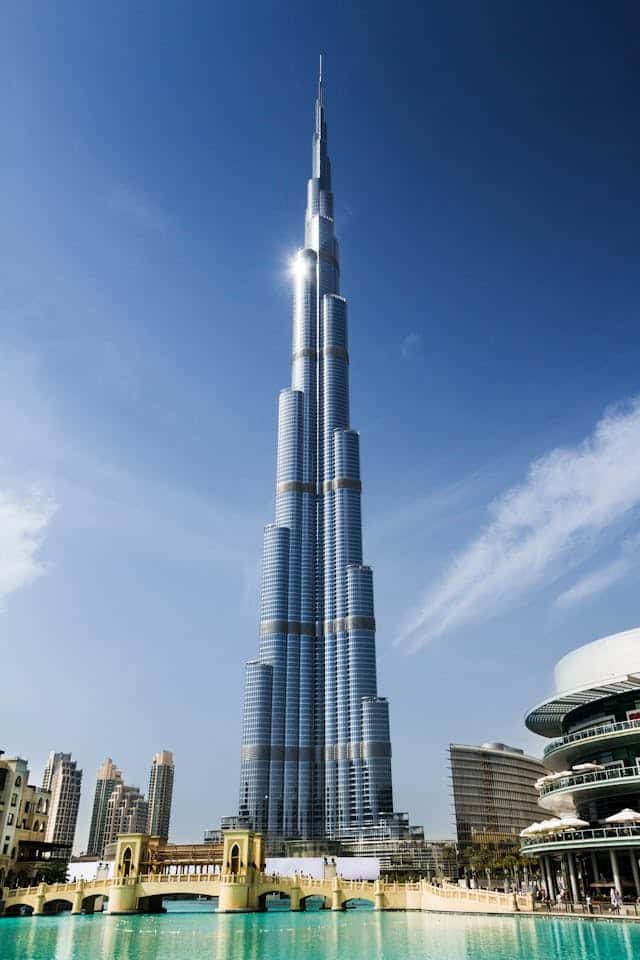
Internationally, buildings like the Burj Khalifa in Dubai redefine what’s possible in commercial architecture. This towering structure marries height with elegance, boasting energy-efficient features and awe-inspiring views. Its innovative design addresses extreme weather challenges, making it a case study in durability and climate adaptability.
Though smaller in scale, the Louvre Pyramid in Paris represents a blend of tradition and modernity, using glass and steel to contrast with the historical Louvre Palace. For more ideas on maximising the value of your property, visit our blog post on Maximising Property Value to see how thoughtful design can increase long-term benefits.
The Influence of Iconic Designs on Modern Building Innovation
Iconic structures don’t just stand as monuments; they actively shape modern practices. They inspire trends in construction techniques, material use, and energy efficiency. Here are some lessons from iconic commercial buildings that drive innovation today:
- Sustainability: Features like solar panels, rainwater harvesting systems, or green roofs are now standard in commercial projects inspired by landmarks that pioneered these technologies. Buildings like One Central Park in Sydney demonstrate how sustainable features coexist with striking aesthetics.
- Multi-Use Spaces: Combining offices, retail, and public areas within a single building reflects the versatility seen in iconic designs like the Marina Bay Sands in Singapore. These spaces prioritise functionality and user experience, offering flexible solutions for urban development.
- Smart Technology Integration: Iconic buildings often feature advanced systems for lighting, HVAC, and energy monitoring, setting the stage for smarter commercial projects. These features improve efficiency and enhance tenant satisfaction.
Explore our commercial projects for insights into practical commercial building solutions to see real-world applications of innovative design.
Trends Influenced by Iconic Buildings
The design principles of iconic structures have catalysed several modern trends. Below are vital movements rooted in these timeless designs:
1. Biophilic Design
Incorporating natural elements such as greenery, water features, and sunlight creates healthier, more inspiring environments. Inspired by iconic green buildings, biophilic design has become a mainstay in commercial projects. For instance, indoor green walls and natural ventilation are increasingly common in offices and retail complexes.
2. Modular Construction
Prefabricated elements allow for quicker, cost-effective building without compromising quality. Iconic modular designs prove that efficiency can coexist with creativity, allowing designers to reimagine traditional construction processes.
3. Open-Concept Layouts
Breaking away from rigid compartmentalisation, open spaces encourage collaboration and flexibility, trends inspired by modern multi-use commercial landmarks. These layouts also enhance adaptability, an essential requirement for today’s dynamic business environments.
4. Futuristic Shapes and Forms
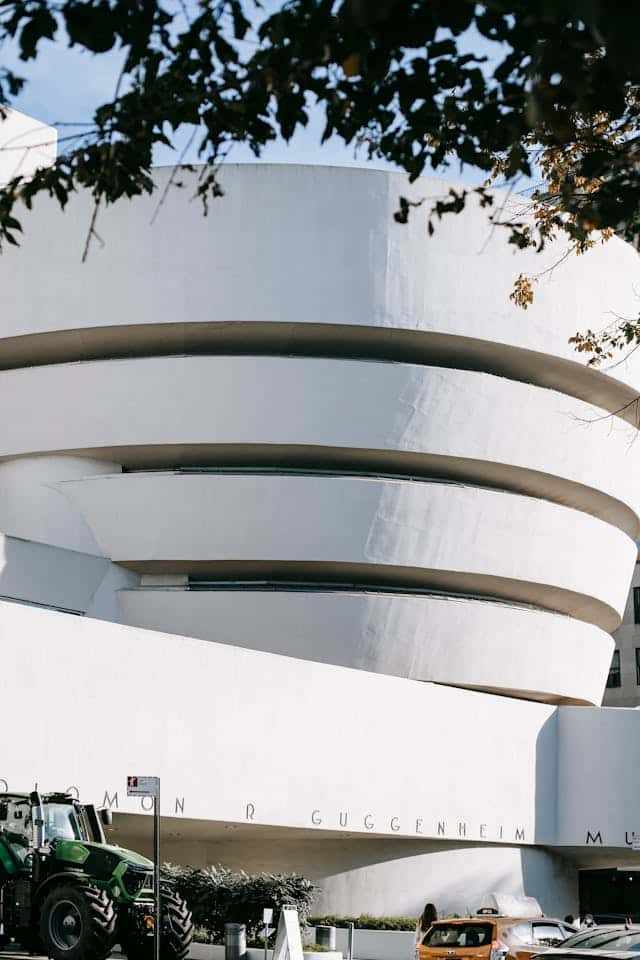
Buildings like the Guggenheim Museum in Bilbao demonstrate the power of experimental geometry, leading to more adventurous building design inspiration in recent years. Such bold designs challenge conventional norms and encourage material and structural engineering innovation.
Looking for professional guidance? Learn more about building designers and why hiring experienced professionals can make all the difference in your project.
Conclusion: Learning from the Best in Design
Iconic commercial buildings offer more than aesthetic value; they present a masterclass in balancing innovation, functionality, and cultural relevance. These structures, from the Sydney Opera House to the Burj Khalifa, leave a legacy that influences modern practices, inspiring designers to think creatively and sustainably.
At ES Design, we specialise in translating these inspirations into innovative commercial solutions. Whether you’re embarking on a new project or reimagining an existing space, our expertise ensures a functional and timeless design.
Ready to bring your vision to life? Contact ES Design today and discover how we can elevate your next project.